Confession: I once tried to impress a room full of remote executives with a pixel-perfect light show—only to discover half of them were watching on a smartphone with coffee-stained screens. That’s when I realized projection mapping is more than a visual flex; it’s about crafting stories everyone—onsite or online—can truly feel. If you’ve ever wondered what it takes to bridge the divide between rows of seats and a world full of webcams, welcome to my not-so-glamorous tour of projection mapping for hybrid events.
Unpacking the Hype: Why Projection Mapping for Hybrid Events Isn’t Just a Flashy Gimmick
When you hear the term Projection Mapping for Events, it’s easy to picture dazzling light shows or futuristic displays that seem designed more for “oohs” and “aahs” than for authentic connection. But if you’re planning a hybrid event—one that brings together both in-person and remote attendees—projection mapping is much more than a visual party trick. It’s a powerful tool for audience engagement, breaking down barriers and transforming passive viewers into active participants, no matter where they are.
Bridging the Gap: Shared Excitement for All
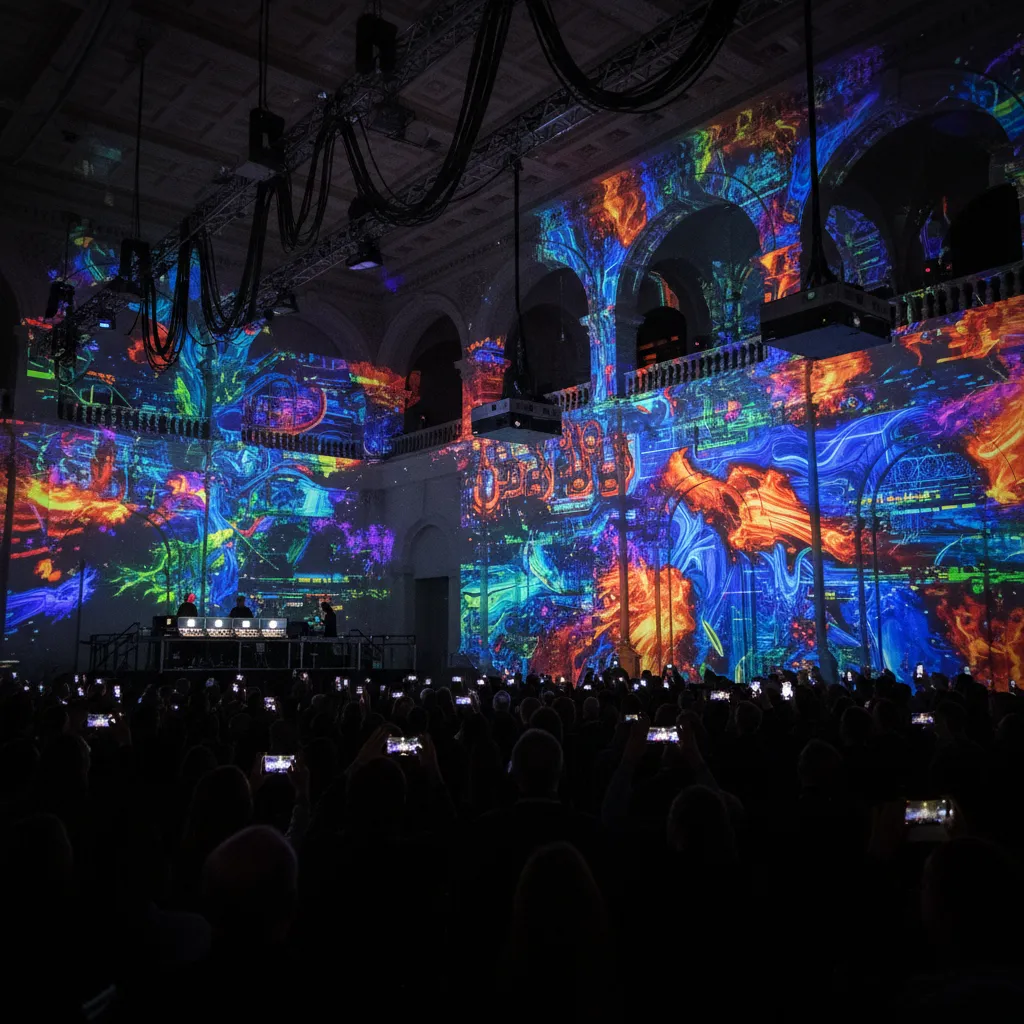
Hybrid events often struggle with a “screen barrier.” In-person guests might soak up the room’s energy, while remote viewers can feel like they’re watching from the sidelines. Hybrid Event Projection Mapping changes this dynamic by creating a unified visual language that everyone can experience together. Imagine a keynote speaker unveiling a product, and the stage comes alive with mapped visuals that also appear in real time on the virtual platform. Both audiences gasp, react, and interact—no one is left out.
Projection Mapping Techniques
-
Shared Visuals: Projection mapping can sync physical and digital environments, making remote attendees feel like they’re in the room.
-
Real-Time Interaction: Interactive projection mapping enables both on-site and online guests to influence what’s displayed, such as voting on outcomes or submitting ideas that appear instantly on the screen.
-
Emotional Connection: The magic isn’t just in the visuals, but in the sense of togetherness they create. When both audiences react to the exact moment, you build a real sense of community.
Beyond the Gimmick: Audience Engagement That Lasts
For event organizers, the goal is no longer just applause or emoji reactions. You want meaningful audience engagement—the kind that keeps people talking long after the event ends. Projection Mapping for Events has become a cornerstone for this, because it:
-
Turns Passive Viewers into Co-Creators: With Interactive Projection Mapping, attendees can shape the experience. Think live polls, collaborative art, or even real-time Q&A sessions where questions appear as part of the visual display.
-
Amplifies Event Themes: Projection mapping isn’t just about pretty pictures. It’s about telling a story, reinforcing your message, and making your brand unforgettable.
-
Stretches Traditional AV Boundaries: No more static slides or generic backdrops. Projection mapping lets you use any surface—walls, floors, even objects—as a canvas, creating immersive environments that draw everyone in.
“Projection mapping transforms hybrid experiences into shared adventures. The trick is blending artistry with accessibility.” – Rachel Morris, Creative Producer
From the Oscars to Twitch: Immersive and Participatory
Think of projection mapping as the bridge between the glamour of the Oscars and the interactivity of Twitch. It’s not just for the front row or the tech-savvy. When done right, Hybrid Event Projection Mapping makes every attendee—onsite or online—feel like a VIP. Here’s how:
-
Immersive Storytelling: Use mapped visuals to guide your audience through a narrative, whether it’s a product launch, an award ceremony, or an educational session.
-
Inclusive Participation: Remote guests can join in live games, quizzes, or challenges, with their input projected alongside in-person contributions.
-
Memorable Impact: The combination of sight, sound, and interaction creates moments that stick with your audience, making your event stand out in a crowded digital landscape.
Artistry Meets Accessibility
One of the biggest misconceptions about projection mapping is that it’s only for techies or big-budget productions. In reality, today’s tools make it accessible for events of all sizes. You don’t need a Hollywood studio—just a clear vision and a willingness to experiment. The key is to focus on emotional connection and inclusivity, not just spectacle.
Hybrid event projection mapping bridges in-person and virtual experiences by enabling dynamic visuals that engage both physical and remote audiences. It’s about creating shared adventures, where everyone—regardless of location—feels seen, heard, and inspired.
Behind the Curtain: Outrageous Fails, Surprises, and How to Actually Pull Off Real-Time Interactivity
Projection mapping in hybrid events is a blend of technical wizardry and live improvisation. If you think it’s all smooth sailing, think again. Even the best-laid plans can go sideways—sometimes in hilarious, unforgettable ways. But with the right projection mapping software and a flexible mindset, you can turn even the wildest surprises into moments of magic for both in-person and virtual audiences.
When Cues Collide: The Cat Filter Incident
Let’s start with a true story that’s become legendary in event circles. During a hybrid conference, a mapping cue was supposed to trigger a dynamic background for the CEO’s keynote. At the same time, a virtual trivia game was running for the remote audience. Due to a misfired cue, the CEO’s face was suddenly mapped with a giant cat filter—whiskers, ears, and all—on the main stage and the livestream. The crowd erupted in laughter. The CEO… not so much.
This is the double-edged sword of real-time interactivity: when you let your event breathe and respond to live inputs, you open the door to both epic fails and unforgettable moments. As Trina Houghton, Technical Director, puts it:
‘Most memorable events come from improvisation—projection mapping just gives us new ways to riff.’
Why MadMapper and Resolume Arena Are the Go-To Projection Mapping Tools
To avoid (or at least control) chaos, you need reliable projection mapping tools. MadMapper and Resolume Arena are industry favorites for a reason:
-
MadMapper excels at precise surface mapping, making it easy to align visuals with physical objects or architecture, whether you’re projecting onto a stage or a virtual 3D model.
-
Resolume Arena is known for its real-time control and live video mixing, letting you adjust content on the fly. This is essential when you’re juggling both in-person and remote experiences.
Both platforms allow you to pre-program cues, but also give you the flexibility to adapt in real time—whether that means fixing a cat filter mishap or responding to audience input.
Letting the Crowd Steer: Real-Time Interactivity in Action
The real magic of projection mapping in hybrid events comes when you hand the reins to your audience. Real-time interactivity isn’t just a buzzword; it’s a way to make every attendee—onsite or online—feel like a co-creator.
-
Motion Sensors: Place sensors around your venue to trigger mapped visuals when physical movement occurs. Imagine a group on stage waving their arms to “paint” with light, while remote viewers see the same effect in their livestream.
-
Touch Screens: Let attendees select colors, patterns, or even avatars, instantly updating the mapped projection for everyone to see.
-
Social Media Feeds and Hashtag Pulls: Integrate live tweets or Instagram posts using a specific hashtag. With projection mapping software like Resolume Arena, you can pull these in and display them as part of your visual show—bridging the gap between physical and virtual spaces.
-
Live Polls and Voting: Let both in-person and remote participants vote on what happens next—whether it’s the stage color, the following animation, or even surprise elements like avatar switching.
These features not only boost engagement but also create a sense of shared experience, no matter where your audience is.
Planning for the Unexpected: Flexibility Is Key
No matter how much you plan, setbacks are inevitable. The best event production teams build flexibility into their designs. With tools like MadMapper and Resolume Arena, you can set up backup cues, quick content swaps, and manual overrides. If something goes off-script (like a surprise cat filter), you can quickly pivot—sometimes turning a fail into the highlight of the event.
Remember, projection mapping software isn’t just about technical precision. It’s about giving you the creative freedom to respond to the moment, whether that means fixing a glitch or embracing a surprise. In hybrid events, where audiences are everywhere, this flexibility is your secret weapon.
Creative Chaos: Tips, Tangents, and What You Wish Someone Told You Before Your First Mapped Event
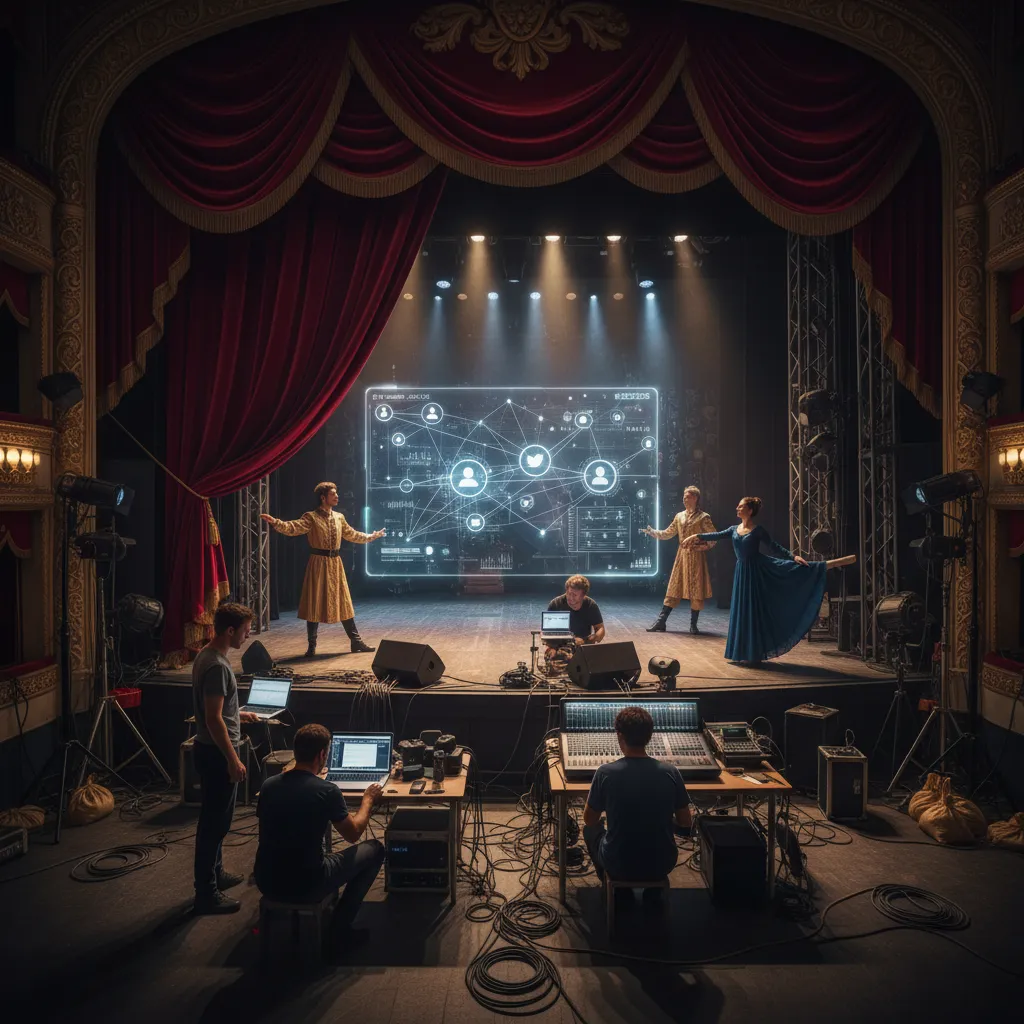
If you’re about to dive into your first hybrid event with projection mapping, get ready for a wild ride. The magic of mapped visuals isn’t just about dazzling your in-person crowd—it’s about creating a seamless, shared experience for both your onsite and remote audiences. The difference between “wow” and “why did we bother?” often comes down to how you handle the creative chaos behind the scenes. Here’s what you wish someone had told you before you started.
Lighting Headaches: Why Your Beautiful Scene Might Look Better on a Virtual Feed Than In Person (and How to Balance)
Lighting is the silent saboteur of projection mapping techniques. You might spend hours perfecting your visuals, only to realize that your stunning mapped scene looks washed out in the venue, but pops on the livestream. Why? Projectors and cameras see light differently. Ambient lighting, stage spots, and even sunlight through a window can wreak havoc on your mapped content. The solution? Manage ambient light ruthlessly. Use blackout drapes, dimmable fixtures, and coordinate closely with your lighting operator. Always test your projection mapping features in both environments—onsite and online—before the event goes live.
As Sean Patel, AV Lead, puts it:
‘If your projection looks amazing in person but flat online, you’ve solved half the puzzle. Fix the lighting, sync your feeds, and remember: both worlds deserve the “wow.”’
Syncing cues between lighting and projection operators isn’t just best practice—it’s essential. When you nail the timing, your mapped visuals will shine for everyone, no matter where they’re watching.
Precision Planning and Efficient Execution: Starting Early Is Sexy—Last-Minute Heroics Are Overrated
Projection mapping is unforgiving when it comes to last-minute changes. Every mapped surface, every pixel, and every cue needs to be locked in well before showtime. Precision planning is your best friend. Start early with your content creation, site surveys, and technical rehearsals. Map out your surfaces—walls, floors, ceilings, or objects—and decide which ones work best for both the camera and the live audience. Fixed mapping surfaces are a lifesaver for quick set changes and consistent results.
Interactive Projection Mapping
Efficient execution means having a clear run-of-show, with every cue for lighting, projection, and audio synced and rehearsed. This minimizes errors and setup time, letting you focus on delivering an immersive experience rather than putting out fires. Remember, the audience—onsite or remote—won’t care how hard you worked if the execution falls flat. They’ll remember the magic, not the mayhem.
Scenic Integration: Blending Virtual and Physical Spaces So Remote Viewers Don’t Feel Like Second-Class Citizens
One of the biggest challenges in hybrid events is making sure your remote audience feels just as engaged as those in the room. Scenic integration is the key. Projection mapping features should be designed to bridge the gap between the physical stage and the virtual feed. Think of your mapped visuals not as a backdrop, but as the stage itself—something that both audiences can interact with and experience together.
Hybrid Event Projection Mapping
Choose surfaces and scenic elements that translate well on camera. Avoid overly reflective or dark materials, as they can confuse both projectors and cameras. Test your mapped content from multiple camera angles, and consider adding interactive elements that remote viewers can influence in real time. This deliberate integration ensures that your virtual attendees aren’t just watching—they’re participating.
Conclusion: Embrace the Chaos, Master the Craft
Projection mapping in hybrid events is equal parts art and science. The creative chaos is absolute, but with careful planning, smart scenic integration, and a relentless focus on lighting, you can deliver an experience that bridges the gap between in-person and virtual. Remember, every mapped event is a learning opportunity. Start early, test everything, and never underestimate the power of syncing your cues. When you blend precision planning with creative risk-taking, you’ll create moments that leave both onsite and online audiences seeing double and loving every second of it.
Projection mapping breathes life into hybrid events by syncing dazzling onsite visuals with inclusive, interactive features for online audiences. Whether you’re a creative risk-taker or checklist fanatic, it’s about making everyone feel the magic—no matter where (or how) they tune in.
Other Services we provide
Audio Visual, Special Effects, Event Lighting, Event Musicians, DJ, MC, Photo Booth, 360 Video Booth, Karaoke Services, Arcade machine rental, tiktok Video Booth, Face Painting, Temporary Custom Tattoos, Wireless Headphones Party, LED Screen Rental, Sweet 16 DJ LA, Quinceanera DJ, Digital Manicure Nail Printing, LED Dance Floor, Bar Mitzvah DJ, Bat Mitzvah DJ, Projection mapping, Projector and Screen Rental, LED Robot, Laser Show Equipment Rental, Event Venues, Event Decoration, Photographer, Videographer. הסעת עובדים, מיגון אש.